LA's Underground Gets Louder: Why Warehouse Raves Are Back
From Hollywood to the Arts District, secret warehouse parties are dominating LA's dance scene again—and the city's crackdown is only making them stronger.
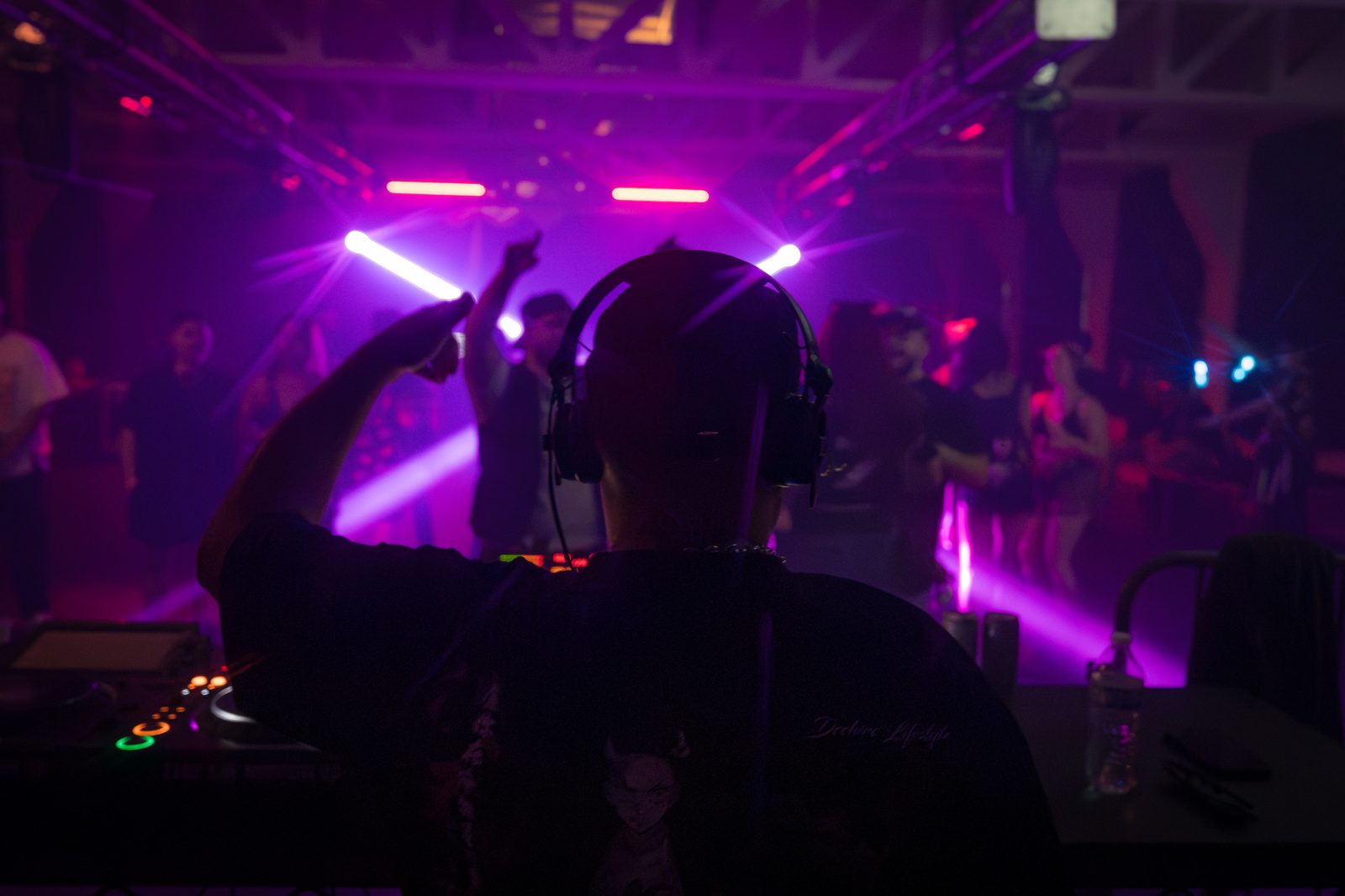
If you've been on the ground in LA's rave scene lately, you know: warehouse parties are having a full-blown renaissance. After years of big-budget festival dominance and "club renaissance" hot takes, the city's dancers are running it back to the OG format—raw concrete floors, DIY sound systems, and addresses dropped an hour before doors. And honestly? It's never felt more alive.
Why Now? The Perfect Storm
Let's connect the dots. LA's club scene spent 2024-2025 dealing with noise complaints, permit hell, and a rotating cast of venue closures that would make your head spin. When legitimate spots can't stay open past 2am without neighbors losing their minds, the scene doesn't just disappear—it goes underground. Literally.
Meanwhile, ticket prices for major events hit absurd levels. When you're dropping $80+ for a club night or $300 for a festival weekend, that DIY $20-30 warehouse with a Funktion-One feels like a straight-up steal. The economics are simple: ravers want maximum sound, minimal corporate vibes, and their money going directly to artists and crews who actually understand the culture.
The LAPD Crackdown That Backfired
Here's where it gets spicy. City officials ramped up enforcement on unpermitted events in early 2026, thinking they'd shut down the warehouse scene. Instead, they basically wrote the playbook for how to throw better secret parties. Crews got smarter about locations, tighter with their invite lists, and way more creative with entry protocols.
One viral moment last month captured it perfectly: video of LAPD showing up to an Arts District warehouse at 3am, only to find the party had relocated mid-event to a backup spot two miles away. The coordination was chef's kiss. You can't stop a scene that's been perfecting the underground playbook since the 90s—you just make it more determined.
What Makes These Parties Different
Today's LA warehouse raves aren't just throwbacks. They're hybrid creatures: old-school ethos meets 2026 execution. We're talking professional-grade production crammed into industrial spaces, proper harm reduction crews on-site, and lineups that mix international techno heavyweights with local up-and-comers you won't catch at corporate venues.
Genre Fluidity and the New Guard
The best LA warehouses right now are genre-agnostic in the best way. You'll catch techno melting into breaks, then hard trance, then Jersey club—all in one night. The younger generation throwing these doesn't care about your genre purity tests. They grew up with SoundCloud and Boiler Room sets as their education, not rigid club nights dedicated to one microgenre.
This fluidity is pulling in crowds that might've bounced between different scenes before. The parties feel bigger not because they're mainstream, but because they're inclusive without trying to be everything to everyone. If you respect the space and the sound system, you're welcome.
What's Next for LA's Underground
Real talk: this wave won't last forever in its current form. Either the city adapts its permitting process to support underground culture (unlikely), venues figure out how to recapture this energy (possible), or the scene evolves into something new entirely (most likely).
But right now, in May 2026, LA's warehouse rave scene is the most exciting thing happening in dance music on the West Coast. It's raw, it's real, and it's reminding everyone why we fell in love with rave culture in the first place. No apps. No algorithms. Just music, movement, and community in a concrete box somewhere in LA.
If you know, you know. And if you don't? Start asking around. That's how this works.